

About Lab-Grown Diamonds

WHAT ARE LAB-GROWN DIAMONDS?
Lab-grown, synthetic, or man-made diamonds, whichever name you prefer – we are proud representatives! Although the first lab-grown diamonds were manufactured as early as 1989, they have only in recent decades hit the headlines worldwide. Lab-grown diamonds received a lot of attention when Hollywood actor Leonardo DiCaprio made a significant investment in a lab-grown diamond startup called Diamond Foundry.
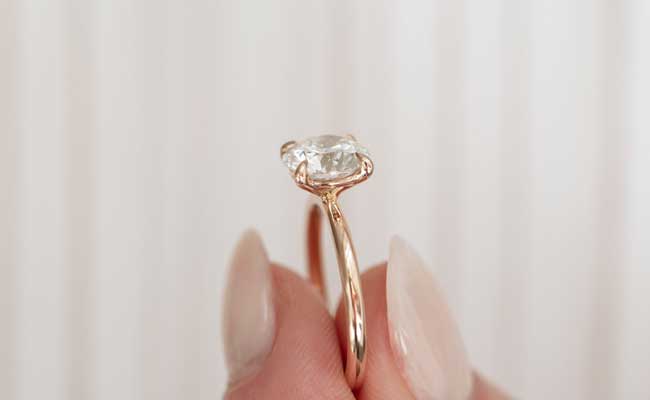
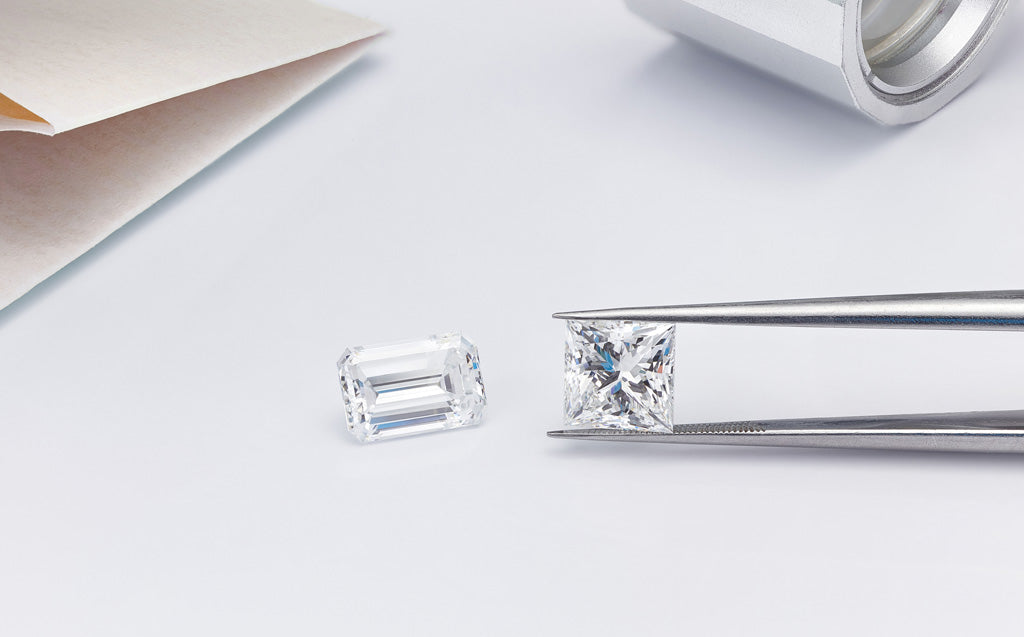
Lab-grown diamonds and natural diamonds have the same structure and chemical properties, and it is impossible to tell them apart with the naked eye. Even a gemologist or jeweller cannot tell the difference just by looking at them through a magnifying glass, as an ultraviolet light is needed to distinguish them.
At Macor Jewellery, we avoid using the word synthetic to describe laboratory diamonds, as it can be misleading and perceived by many to mean the same as fake or imitation. Lab-grown diamonds are just as genuine or real as mined diamonds.

HOW ARE LAB-GROWN DIAMONDS MANUFACTURED?
As the name suggests, lab-grown diamonds are grown in a laboratory from small seeds of carbon. There are currently two methods of growing them:
The HP-HT (high pressure–high temperature) method mimics the growth of a natural diamond when subject to enormous pressure and heat.
The CVD (chemical vapor deposition) method uses heat and gases to form the diamonds, atom by atom.
The growth process takes anywhere from a few days to several weeks, depending on the desired size of the diamond. Once formed, the rough diamond is carefully cut and polished into its final shape.

LAB-GROWN DIAMONDS AND ETHICS
Lab-grown diamonds are currently the most environmentally friendly diamond option and are often called ethical diamonds.
The environmental impact of laboratory diamond production is significantly lower than that of mined diamonds and the environmental pollution and damage they cause.
Renewable energy can be used to manufacture laboratory diamonds, and their manufacture is not linked to the serious human rights issues and conflicts that exist in diamond mining.

WHY CHOOSE LAB-GROWN DIAMONDS?
Lab-grown diamonds are an excellent choice not only for you, but also for the planet. As well as being a greener option, they are also conflict-free and less expensive.
Conflict-Free
Lab-created diamonds have no links to the conflicts that continue to take place in the mines of both developing and developed countries. Conflicts can include unsafe working conditions, the use of child labour, and political conflict.
Less Expensive
Due to their production method and shorter supply chain, lab-grown diamonds are significantly less expensive than natural diamonds. Also, a few large mining companies have maintained the high price level of natural diamonds, which has historically contributed to the price difference.
More Environmentally Friendly
Because lab-grown diamonds are manufactured above ground, in a controlled environment, the pollution and waste associated with mining can be avoided.
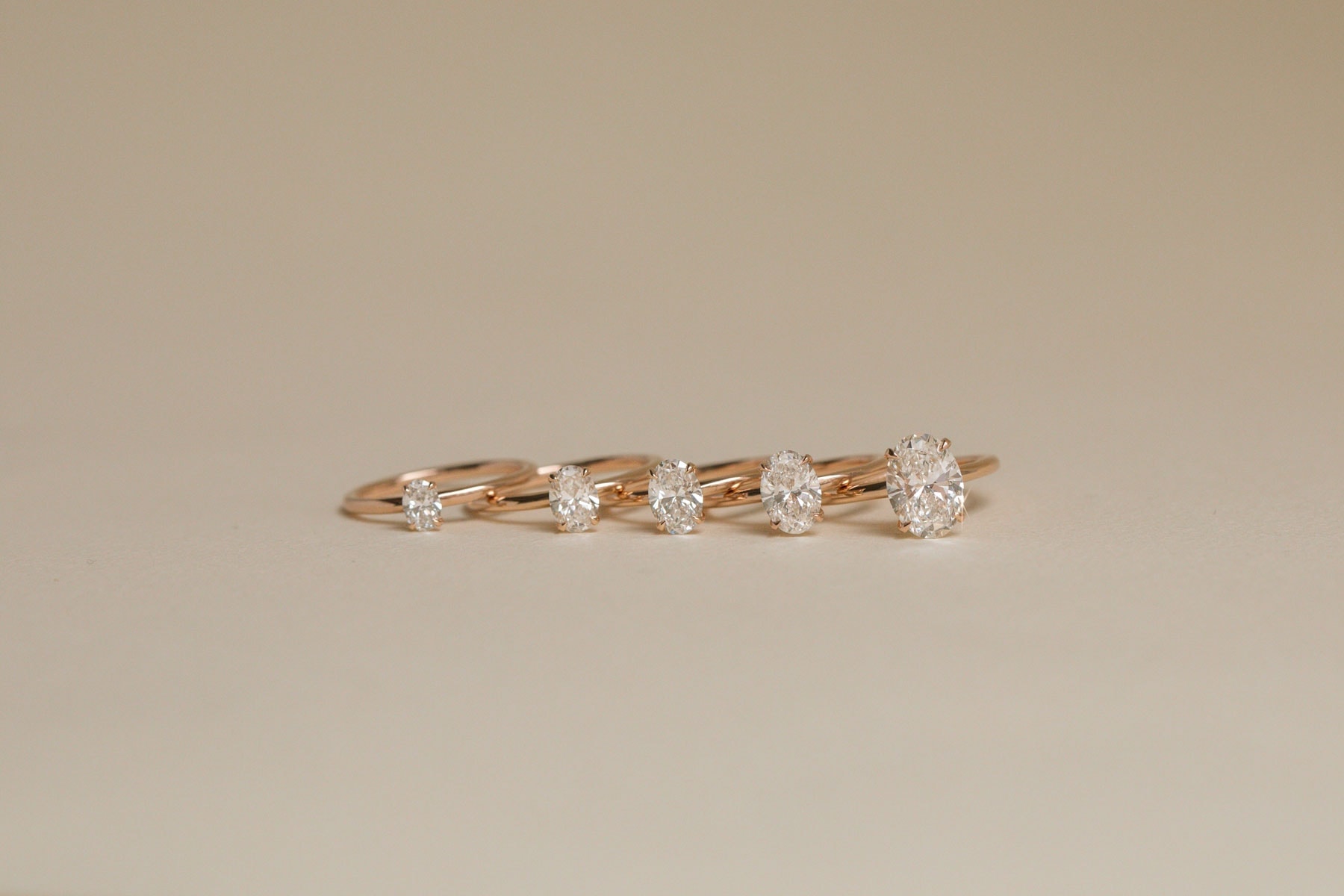
Different Diamond Cuts in Our Online Store
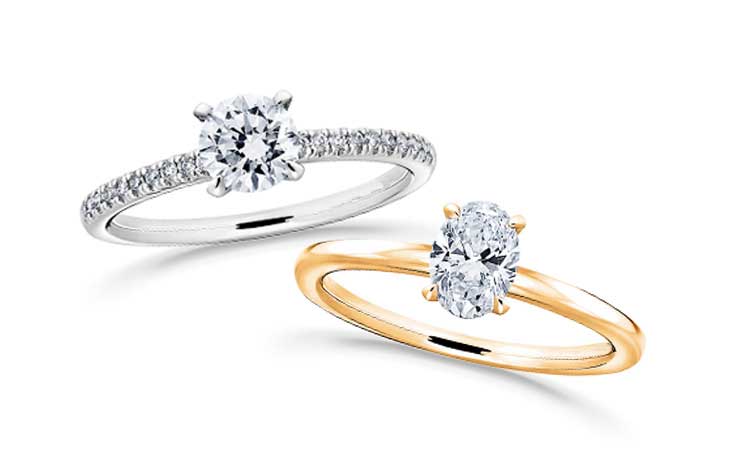
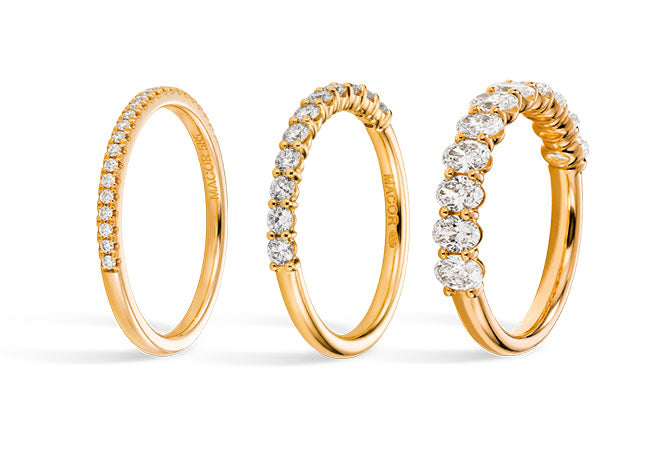
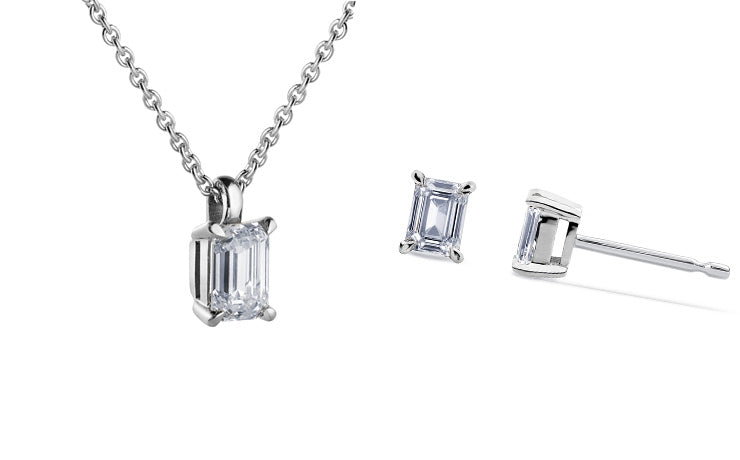
We have carefully selected timeless diamond cuts and premium quality combinations for our collection. We hope you’ll find the perfect diamond jewellery piece that matches your personal style. Our customer service team is always happy to assist you, whether you need help choosing the right size, adding an engraving, or arranging delivery details.
Frequently Asked Questions
Yes. A lab-grown diamond is 100% real, with the same chemical, optical, and physical properties as a mined diamond. Even professional gemologists cannot tell them apart without special instruments.
Diamonds are among the hardest materials on Earth, but they can still chip or crack under severe impact. Both natural and lab-grown diamonds are equally durable for everyday wear and can last beautifully for generations.
To the naked eye, there is no visible difference. Only advanced geological equipment can determine a diamond’s origin. Both types are graded using the same international standards.
A genuine diamond shines intensely and reflects light in a unique way, which can be evaluated, for example, based on the diamond’s cut and brilliance. Its authenticity can be confirmed by a professional who examines the diamond’s characteristics using specialized equipment. Laboratory-grown diamonds and natural diamonds do not differ in appearance, so determining authenticity requires expert assessment.